TOKYO — The Japanese yen has steadied after a highly volatile week in which Japan and the United States jointly intervened in the currency market, marking the first U.S. yen-buying operation since 1998.
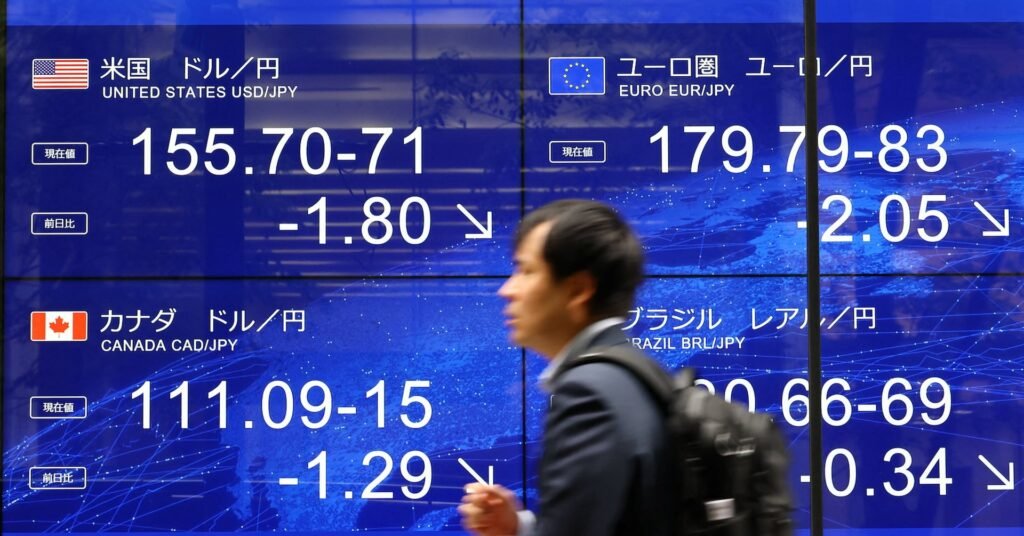
The currency was trading near 157.72 per dollar on August 5 after weakening to around 164 a week earlier, its lowest level in roughly four decades. Following coordinated purchases by Tokyo and Washington, the yen strengthened as far as 155.2 before giving back part of the move.
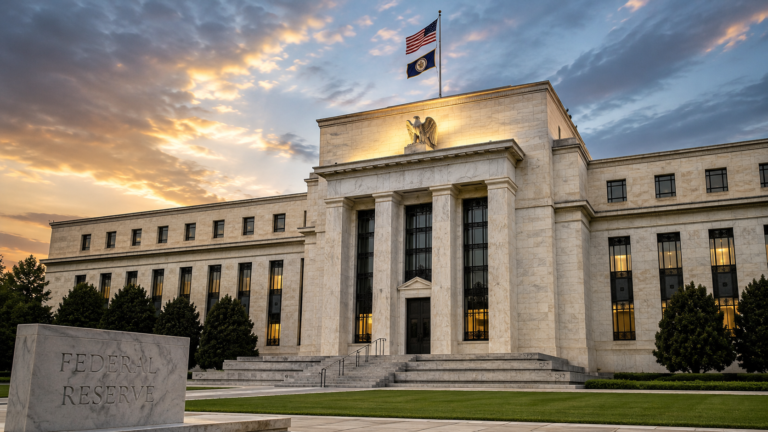
The intervention was significant not only because of its scale, but also because it demonstrated unusual policy coordination between the world’s largest economy and Japan. U.S. Treasury Secretary Scott Bessent subsequently offered strong public support for Japan’s efforts to stabilize the currency, reinforcing the political message that disorderly depreciation would not be ignored.
The immediate market impact was clear: the yen recovered sharply and speculative pressure eased. The longer-term outlook is less certain. Currency intervention can change short-term positioning and deter one-way trading, but it does not automatically remove the economic forces that caused the decline.
Three factors are likely to shape whether the recovery can hold. The first is the Bank of Japan’s interest-rate path. A more forceful normalization of monetary policy would narrow the yield gap with the United States and could make yen-funded carry trades less attractive. The second is the Federal Reserve outlook, because lower expectations for U.S. rate increases would reduce support for the dollar. The third is energy prices, which have a major effect on Japan’s import bill and demand for foreign currency.
The intervention also has broader implications for Asian markets. A more stable yen may reduce pressure on other regional currencies and limit concerns about competitive depreciation. At the same time, sudden exchange-rate moves can affect Japanese exporters, importers, overseas investors and companies with unhedged currency exposure.
The yen’s next direction is therefore likely to be determined by a combination of official action and underlying policy credibility. The coordinated intervention showed that authorities are willing to respond forcefully. Whether it becomes a turning point will depend on what follows from the Bank of Japan, the Federal Reserve and global energy markets.