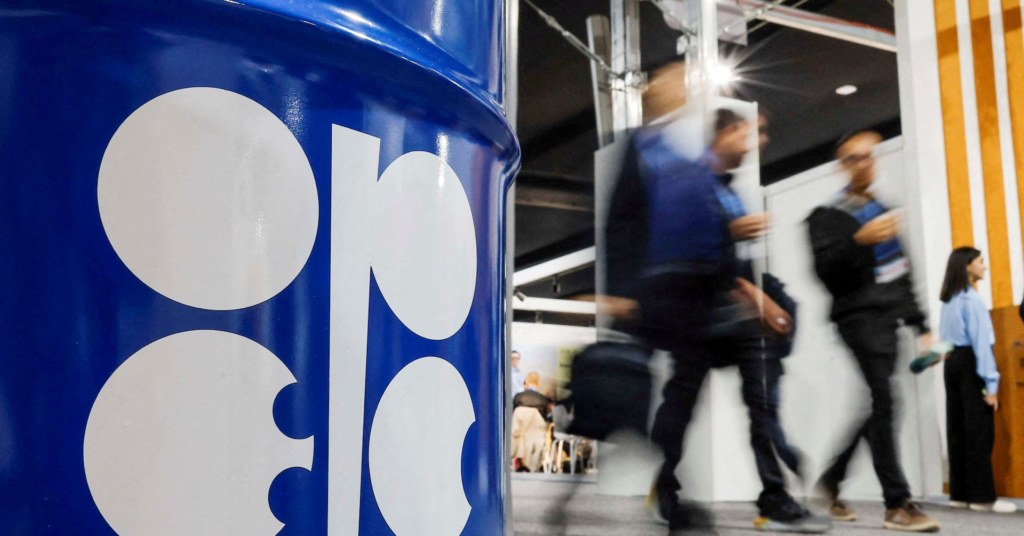
VIENNA — Seven OPEC+ producers have agreed to increase oil production by 188,000 barrels per day in September, extending the group’s gradual adjustment of voluntary supply restrictions while keeping close control over future decisions.
Saudi Arabia, Russia, Iraq, Kuwait, Kazakhstan, Algeria and Oman reached the decision during a virtual meeting on August 2. The adjustment relates to the additional voluntary reductions first announced in April 2023 and will be implemented from September 2026.
The decision reflects OPEC+’s effort to balance two competing priorities. Producers want to respond to market demand and restore part of the supply that has been held back, but they also want to avoid releasing oil too quickly at a time of geopolitical uncertainty and uneven global growth.
The group emphasized that participating countries remain committed to full conformity with the wider Declaration of Cooperation. Members that produced above their agreed levels since January 2024 are expected to compensate for those excess volumes, meaning the headline increase may not translate into an identical rise in actual market supply.
For the oil market, the September adjustment introduces additional barrels but does not remove the importance of compliance. Traders will continue to compare official production targets with export data, shipping activity and independent estimates of output. The degree to which members meet both their new quotas and compensation obligations will determine the real impact on supply.
The timing is also important for inflation. Oil prices influence transportation, manufacturing, electricity costs and consumer-price expectations. Additional production can ease pressure if demand remains stable, but geopolitical disruptions, sanctions or shipping constraints could offset the increase and keep prices elevated.
OPEC+ has retained flexibility by continuing monthly reviews. The seven countries are scheduled to meet again on September 6, allowing them to reassess demand, inventories, prices and compliance before making further changes.
The September increase should therefore be viewed as a measured step rather than a full shift toward unrestricted production. OPEC+ is gradually returning supply while preserving its ability to pause, reverse or extend the process if market conditions change. The next question is not simply how many barrels are added on paper, but how much oil reaches the market and whether demand is strong enough to absorb it.